

Plants have existed for over a billion years, playing a crucial role in sustaining life on Earth. Some plants, known as “air plants,” have evolved to thrive in close proximity to humans and produce oxygen continuously, 24 hours a day. These air plants are small but powerful, releasing oxygen even at night, improving indoor air quality, and absorbing odors over time.
The Truth About 24-Hour Oxygen Plants
In school, we learned that plants typically release oxygen during the day through photosynthesis and emit carbon dioxide at night. However, some plants break this rule by continuing to produce oxygen even at night. These exceptional plants enhance air quality and provide a healthier living environment.
Here are seven remarkable plants that produce oxygen around the clock:
1. Aloe Vera
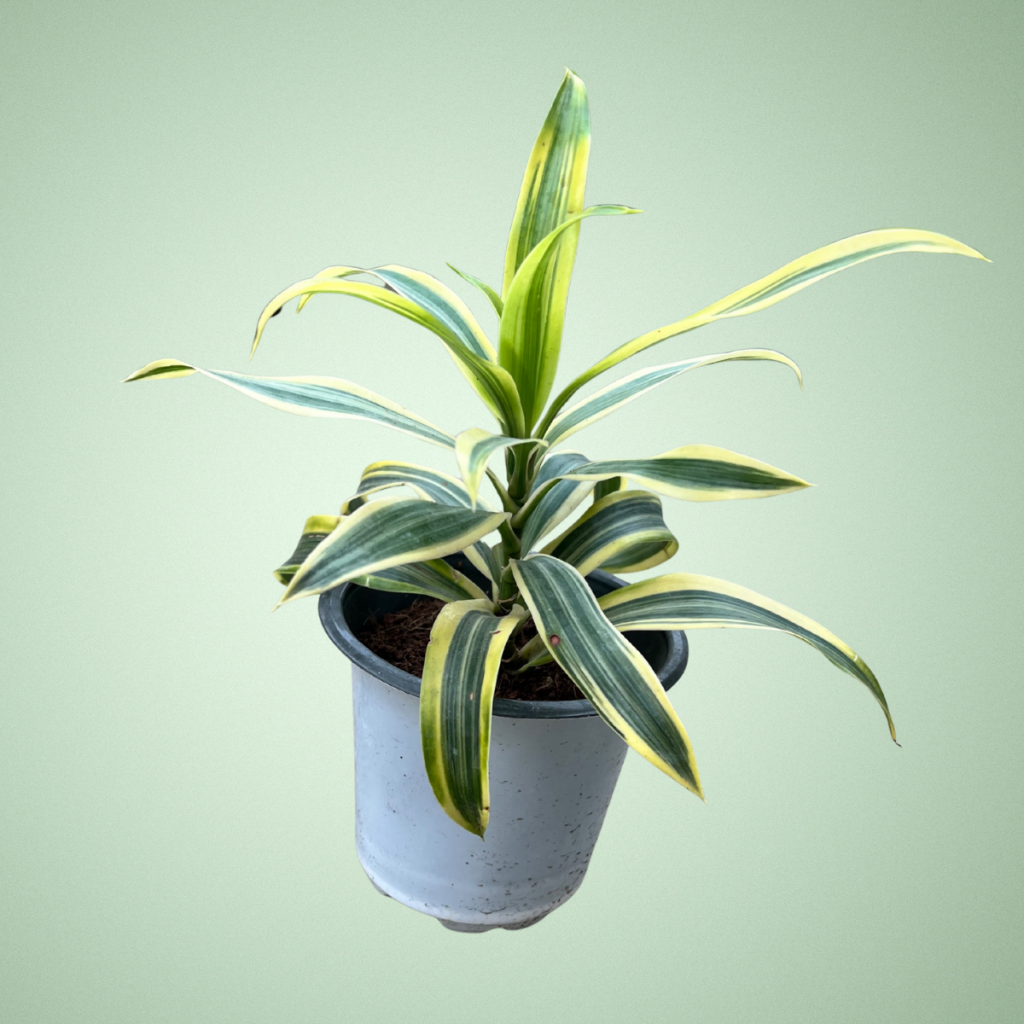
Aloe Vera is not just a popular plant for its beauty benefits; it is also a top air purifier. According to NASA, Aloe Vera releases oxygen at night, making it an excellent plant for improving indoor air quality and promoting longevity. It requires minimal maintenance, thriving with little care.
2. Snake Plant

The snake plant, also known as Sansevieria or mother-in-law’s tongue, is perfect for bedrooms as it emits oxygen 24 hours a day. It is incredibly easy to care for and purifies the air by removing toxins like formaldehyde. Snake plants thrive in bright, indirect light and need only occasional watering.
Also known as Arrowhead Plant, Syngonium has arrow-shaped leaves that can come in various colors, including green, white, and pink.
Benefits: Excellent air purifier and can adapt to various light conditions.
Types:
Syngonium White Butterfly
Syngonium Neon Robusta
Syngonium Pink Allusion
3. Areca Palm
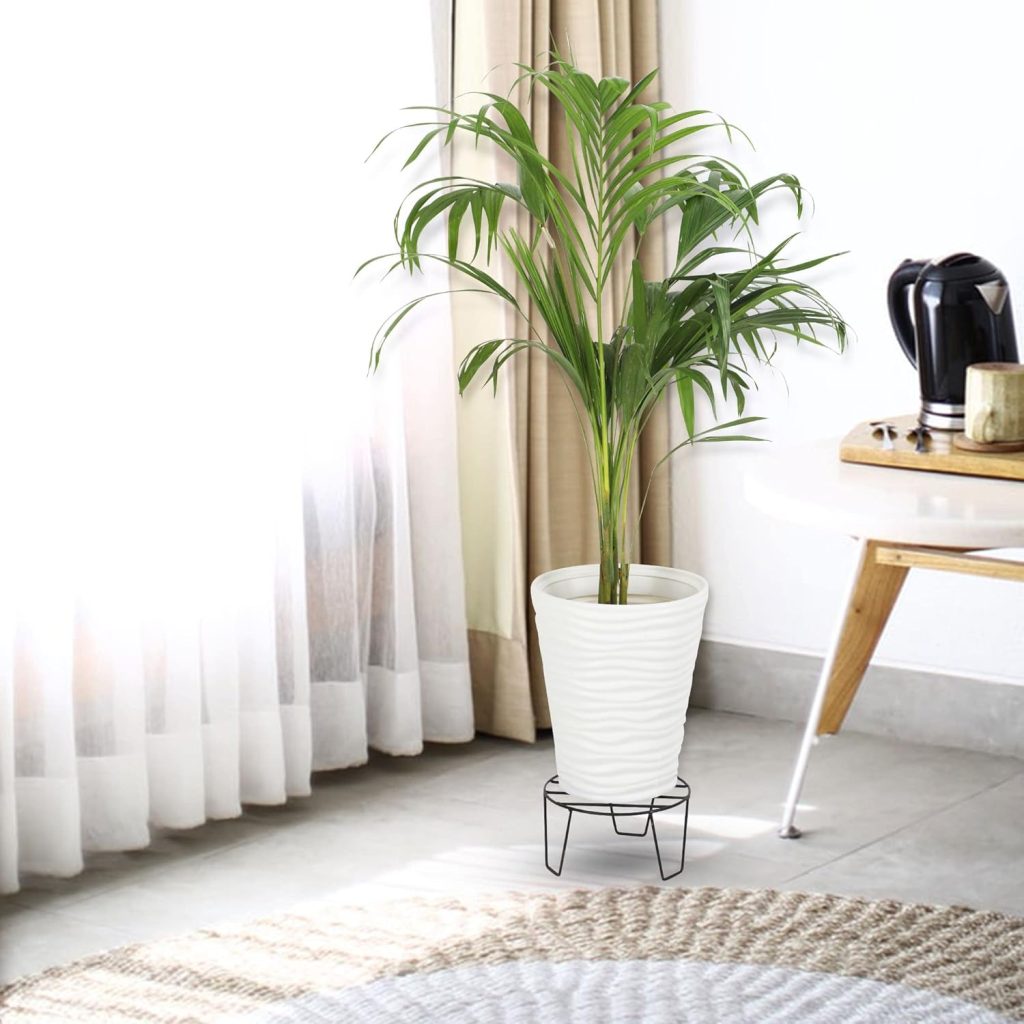
The Areca Palm is a well-loved houseplant that continuously releases oxygen, enhancing indoor air quality. It is also known as the golden palm, butterfly palm, or yellow palm. This plant prefers indirect sunlight and should be watered when the top layer of soil becomes dry.
4. Money Plant
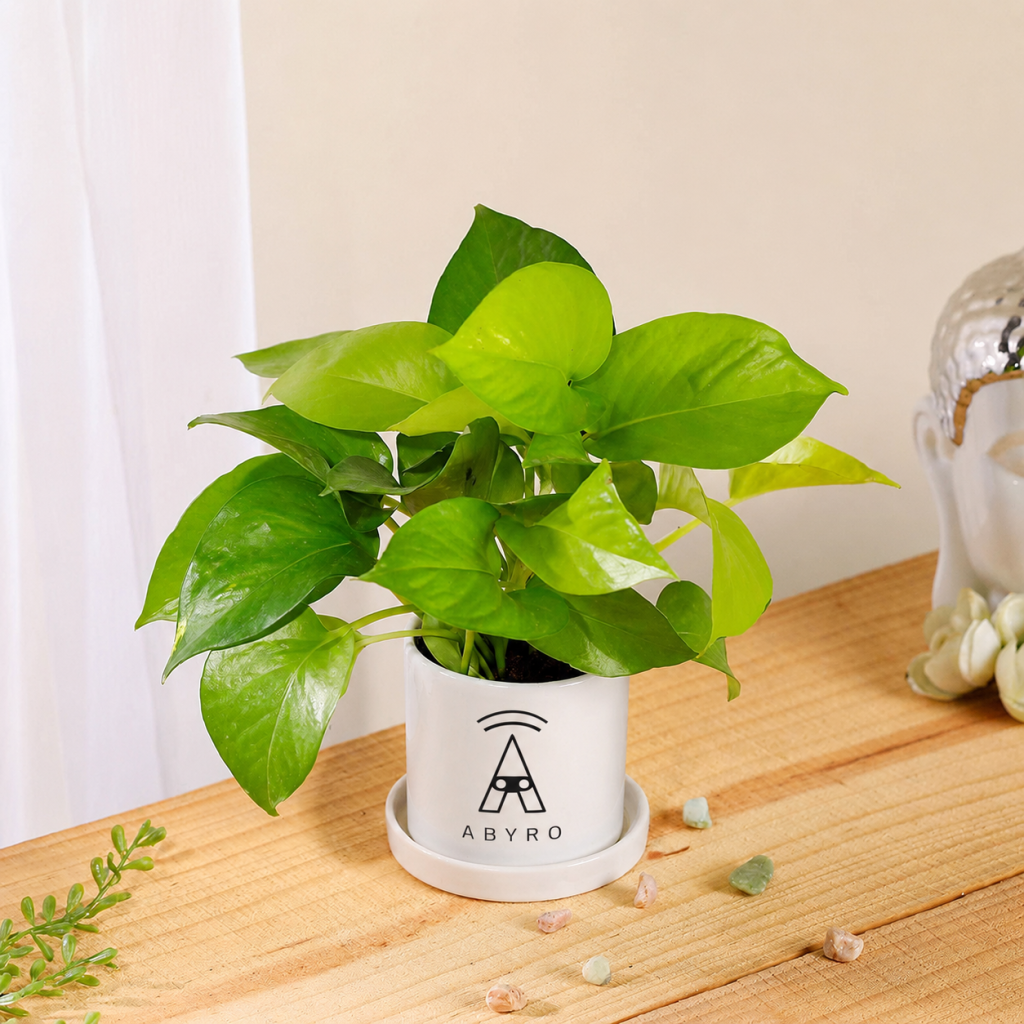
Widely found in Indian households, the money plant (Pothos) emits oxygen 24 hours a day. It helps alleviate sleep issues and purifies the air by removing toxins. The money plant is easy to grow, thrives in partial sunlight, and is also considered a symbol of good luck and prosperity in Feng Shui.
5. Neem Plant
The neem plant, revered in India for its numerous health benefits, also produces oxygen at night. It acts as a natural insect repellent and offers medicinal properties. Neem leaves are used in various treatments for hair and skin. To maximize its benefits, keep the neem plant in your garden.
6. Peepal Plant
The peepal tree, or sacred fig, has been considered a holy plant in India for centuries. It releases oxygen at night, making it beneficial for improving air quality. The peepal plant also has medicinal uses, helping with conditions like asthma, dental issues, diabetes, and constipation.
7. Peace Lily
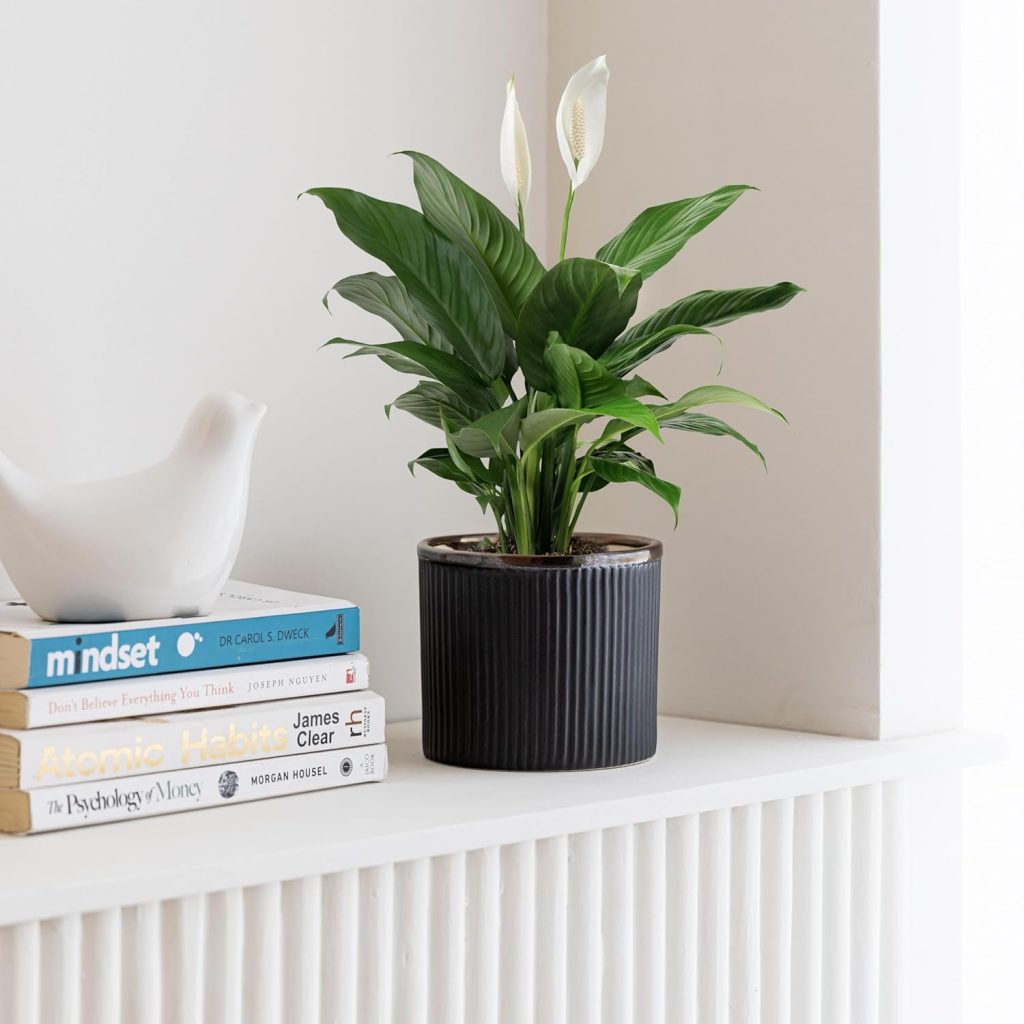
The peace lily is a stunning plant with lush green leaves and elegant white flowers. It produces a significant amount of oxygen at night, making it ideal for bedrooms. Peace lilies are known to help improve sleep quality and bring positive energy according to Vastu Shastra and Feng Shui. They prefer high humidity and moist soil.
These plants not only enhance the aesthetic appeal of your living space but also contribute to a healthier environment by providing continuous oxygen. Planting these 24-hour oxygen-producing plants is a wonderful way to give a gift for the future, benefiting both current and future generations. Most plants that typically only produce oxygen during the daytime through photosynthesis. Here are some plants that give oxygen 24 hours a day
8. Rubber Plant (Ficus elastica)
Description: Known for its large, glossy leaves, the Rubber Plant is both attractive and functional.
Benefits: It’s a good air purifier and adds a touch of greenery.
Types:
Ficus Elastica Robusta: Large, deep green leaves.
Ficus Elastica Tineke: Variegated leaves with green, cream, and pink.
Ficus Elastica Burgundy: Dark burgundy-red leaves.
9. Snake Plant (Sansevieria trifasciata)
Description: Also known as Mother-in-Law’s Tongue, this plant has stiff, upright leaves that can range from green to variegated patterns.
Benefits: Excellent at producing oxygen and removing toxins.
Types:
Sansevieria Laurentii: Green leaves with yellow edges.
Sansevieria Cylindrica: Cylindrical leaves with a unique, sculptural look.
Sansevieria Moonshine: Light silvery-green leaves.
Sansevieria Hahnii: Dwarf variety with compact, rosette-forming leaves.
10. Spider Plant (Chlorophytum comosum)
Known for its long, arching leaves and small white flowers, the Spider Plant is a popular indoor plant.
Benefits: It’s highly effective at removing indoor pollutants and is easy to care for.
Care: Thrives in indirect sunlight and requires moderate watering.
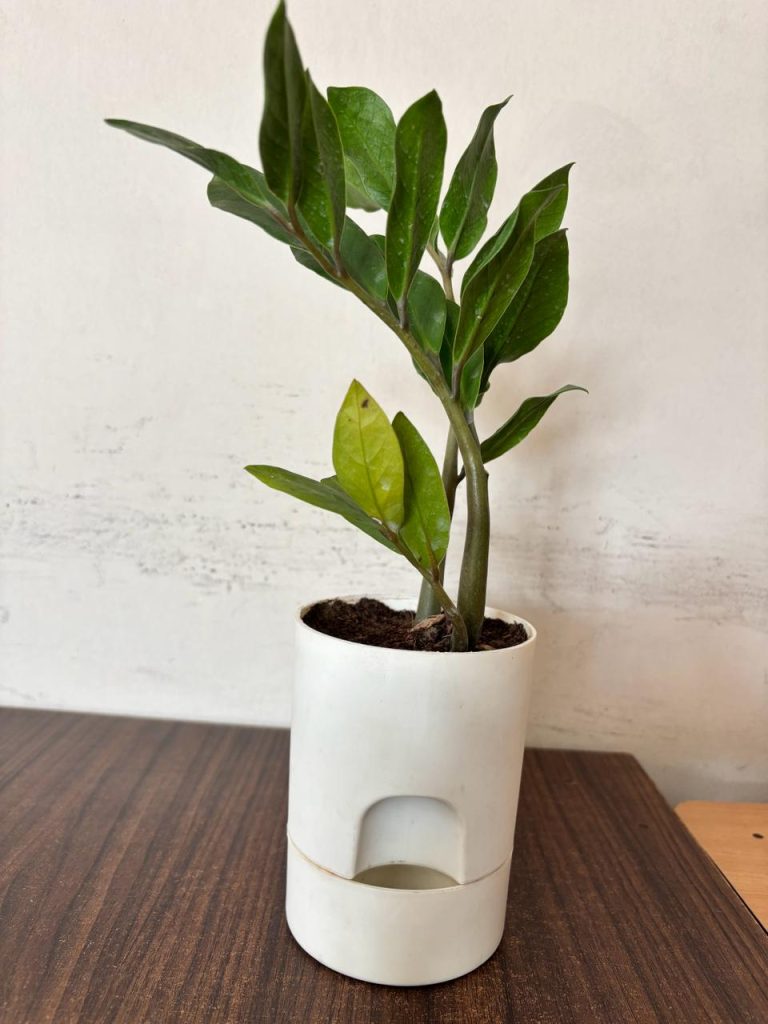
11. ZZ Plant (Zamioculcas zamiifolia)
Description: Recognized for its waxy, dark green leaves, the ZZ Plant is highly tolerant of neglect.
Benefits: It’s a great air purifier and can thrive in low light.
Care: Requires low light and infrequent watering.
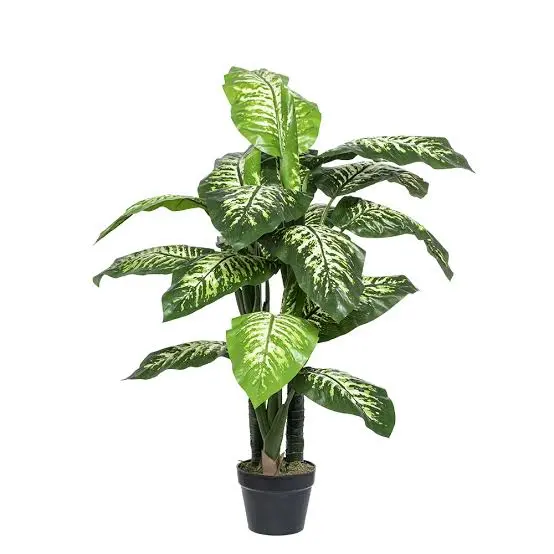
12. Dieffenbachia Plant (Dieffenbachia spp.)
Known for its large, variegated leaves, Dieffenbachia is a popular indoor plant.
Benefits: Adds a tropical feel to any space and can purify the air.
Care: Prefers bright, indirect light and consistent watering.
Snake Plant, Aloe Vera and some other CAM plants are often discussed as nighttime plants because they can take in carbon dioxide at night as part of their adapted photosynthesis process.
Snake Plants use CAM photosynthesis, allowing them to open their stomata and take in carbon dioxide at night. However, claims that they continuously produce large amounts of oxygen throughout the night are often oversimplified.
Aloe Vera uses CAM photosynthesis and can take in carbon dioxide during nighttime hours. It is therefore frequently included in lists of plants associated with nighttime gas exchange.
Plants produce oxygen through photosynthesis, but a few houseplants generally do not produce enough oxygen to cause a major change in the oxygen level of a normal ventilated room.
There is no reliable universal number. The effect depends on the plant species, size, light, room size and ventilation. Indoor plants are better appreciated for greenery and their aesthetic benefits rather than as a replacement for ventilation.
Snake Plant is a popular bedroom choice because it is compact, attractive and relatively easy to maintain. Choose a location where it receives suitable light.
No. Indoor plants should not be considered a substitute for adequate ventilation or an air-purification system. Their biggest practical benefit indoors is bringing natural greenery into the space.
Many plants carry out respiration continuously and, when photosynthesis stops in darkness, there is no daytime photosynthetic oxygen production to offset it. CAM plants have a different nighttime carbon-dioxide uptake strategy.
Snake Plant, Money Plant, Spider Plant, ZZ Plant and Aloe Vera are popular indoor choices. The best option depends on available light, space and how much plant care you can provide.
